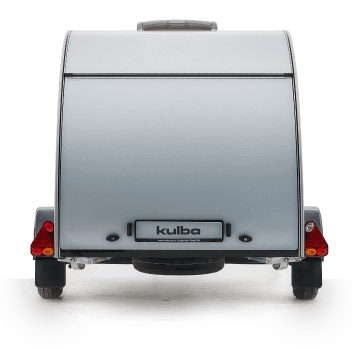
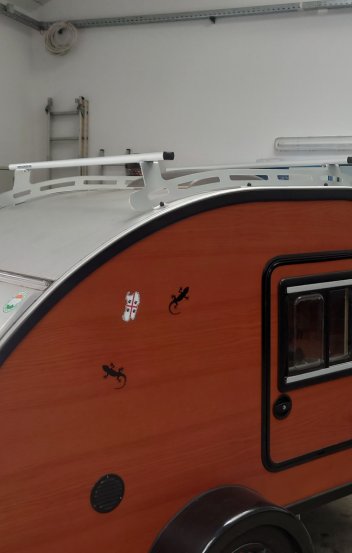
When it comes to a teardrop trailer, most people focus on its compact size, aerodynamic shape, and stylish design. But one element that often goes unnoticed is insulation. Good insulation isn’t just a comfort feature - it’s a critical factor for temperature regulation, noise reduction, and overall usability in all weather conditions.
Insulation isn’t just for cold weather
While many associate insulation with keeping warm in winter, a well-insulated teardrop trailer also protects against heat in summer.
How it works:
- Insulating materials slow down the transfer of heat and cold between the trailer’s interior and the outside.
- In hot weather, insulation keeps the cabin cooler by reducing heat from the sun entering through walls, roof, and floor.
- In cold weather, it traps warmth inside and prevents drafts, making heating more efficient.
Real-life benefit: Imagine camping in southern Europe during a heatwave - a teardrop trailer with proper insulation will stay noticeably cooler than one without. Conversely, in the mountains during winter, insulation keeps the interior comfortable without overworking the heater.
Roof, walls, and floor – all matter
A common mistake is to focus only on wall insulation, but roof and floor are equally important:
- Walls: The main barrier against outside temperature, but can lose heat through windows and doors if not properly insulated.
- Roof: Heat rises, and uninsulated roofs can significantly increase internal temperatures in summer or lose warmth in winter.
- Floor: Often overlooked, the floor can be a major source of heat loss, especially if camping on cold or damp surfaces. Proper floor insulation also reduces moisture problems and keeps the cabin more comfortable.
Noise reduction and comfort
Insulation doesn’t just help with temperature - it also reduces noise. A well-insulated teardrop trailer can:
- Minimize the sound of rain hitting the roof
- Reduce road and wind noise while driving
- Provide a quieter sleeping environment, crucial for restful nights
Example: During a summer rainstorm, a non-insulated trailer may feel like you’re sleeping under a metal drum, whereas an insulated teardrop trailer absorbs much of the sound.
Energy efficiency and eco-friendly travel
Good insulation makes heating and cooling systems more efficient:
- Less energy is needed to maintain a comfortable temperature
- Battery usage in electric heating systems is minimized
- Air conditioning or fans run less in summer, extending power reserves on solar or battery setups
For modern campers aiming for long-distance or off-grid trips, insulation can make a huge difference in energy consumption and comfort.
Additional benefits of proper insulation
- Condensation control: Insulation can prevent moisture buildup and mold in the cabin.
- Structural longevity: Insulated panels often provide an extra layer of protection for walls, roof, and floor.
- Temperature consistency: A well-insulated trailer provides a more uniform climate, avoiding hot or cold spots inside the cabin.
Standards and recommended parameters
Unlike building construction, there aren’t strict EU-wide standards for camping trailer insulation thickness, but industry best practices do exist:
- Walls: 20–30 mm of high-density foam or similar material
- Roof: 30–50 mm recommended, often combined with reflective layers
- Floor: 20–40 mm, sometimes with underfloor vapor barriers
Materials commonly used include polyurethane foam, polystyrene, sheep wool, or fiberglass, often combined with aluminum or composite panels for strength and weight efficiency.
Some manufacturers may offer R-values for insulation (a measure of thermal resistance), though these are less standardized than in buildings. For comfortable year-round use, look for trailers with multi-layered insulation and good sealing around doors and windows.
In short, insulation is not just a comfort feature - it’s a performance and safety feature. For teardrop trailers, where space is limited, proper insulation maximizes usability, comfort, and efficiency in every climate.
Not all manufacturers treat insulation as a priority. To reduce production costs or simplify construction, some teardrop trailer makers skip insulation in the walls or the floor, or use very thin, low‑performance materials. Simply put: skipping insulation saves manufacturing cost - but often at the expense of longevity, comfort, and real‑world usability.
Kulba teardrop trailer insulation: built for comfort and all‑season use
At Kulba, insulation is treated as a core part of design - not an optional add‑on. Kulba teardrop trailers are designed with year-round comfort in mind. The insulation thickness of the cabins is carefully engineered to balance protection, weight, and performance:
- Walls: 22 mm high-density foam
- Roof: 50 mm insulated panel with reflective layer
- Floor: 50 mm insulated floor panel
This combination ensures:
- Comfortable temperatures in both hot and cold weather
- Reduced noise from rain and road
- Lower energy consumption for heating or cooling
- Excellent protection against condensation and moisture
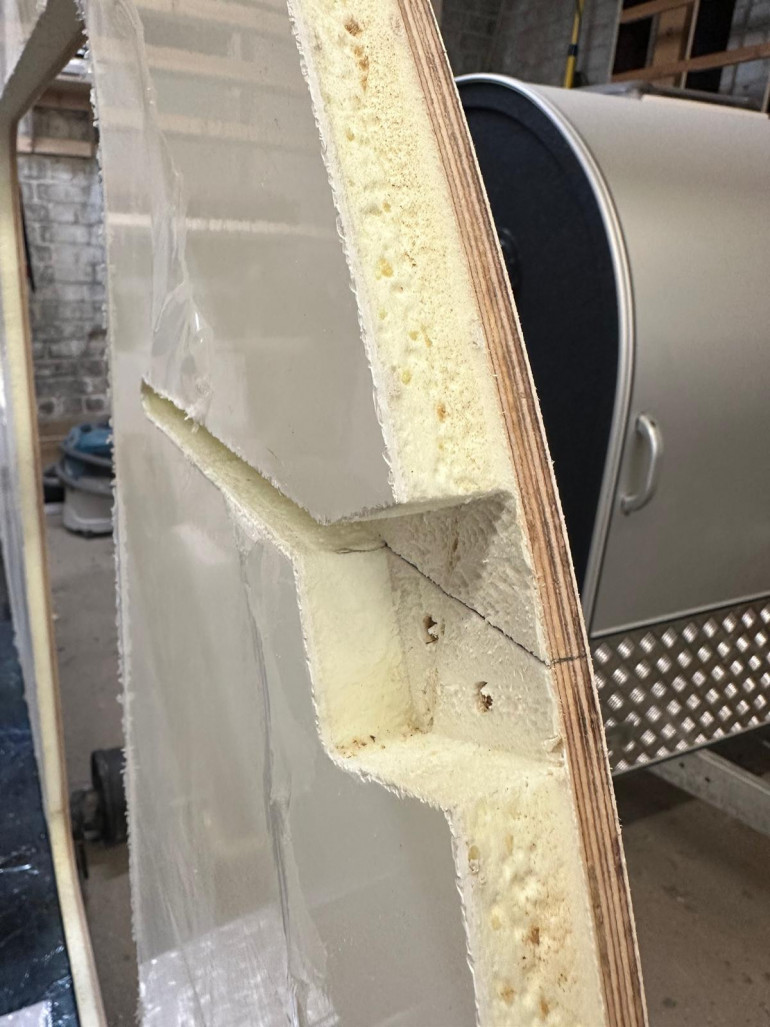
With this level of insulation, Kulba Woody, Kulba Rebel and Kulba One are ideal for travels year-round, whether you’re camping in the Alps, by the coast, or exploring northern forests.
For anyone investing in a teardrop trailer or mini caravan, it’s worth asking: How well is it insulated, and does it cover walls, roof, and floor? The answer could make the difference between a good camping trip and an exceptional one.